+123 456 7890

info@thetriple-t.org

To maintain well-being, improve healthy coping skills, strengthen harmonized couples, and family cohesion among conflict-affected population who are challenging to manage their well-being and maintain free from violence.

FAMILY-RELATED RESILIENCE STUDY IN FRAGILE SETTING, KAYAH STATE, MYANMAR

Background

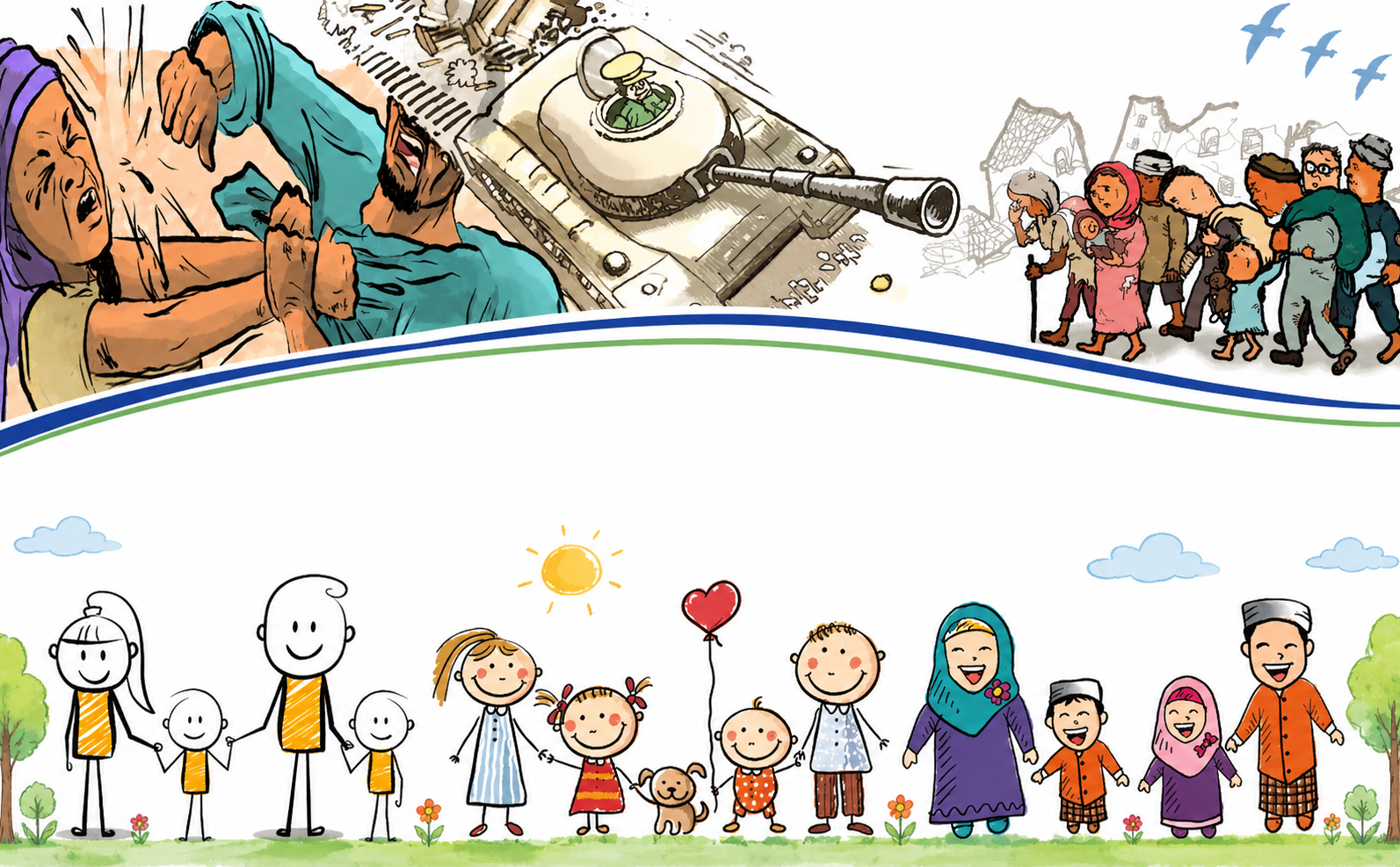
In conflict-affected setting, families endured profound disruptions including airstrike, safety, displacement, economic hardship and shortages of essential resources such as food, medicine and shelter.1 These challenges threatened individual wellbeing, family harmony and social cohesion. In this context, resilience refers to the ability of individual and family to adapt adversity through enhancing coping skill, communication ability and collective capacity. Existing studies consistently showed the importance of resilience-building initiatives that focus on how to deal individual psychosocial needs and family relationship challenges. Strong families build stable individuals and stable individuals strengthen families.

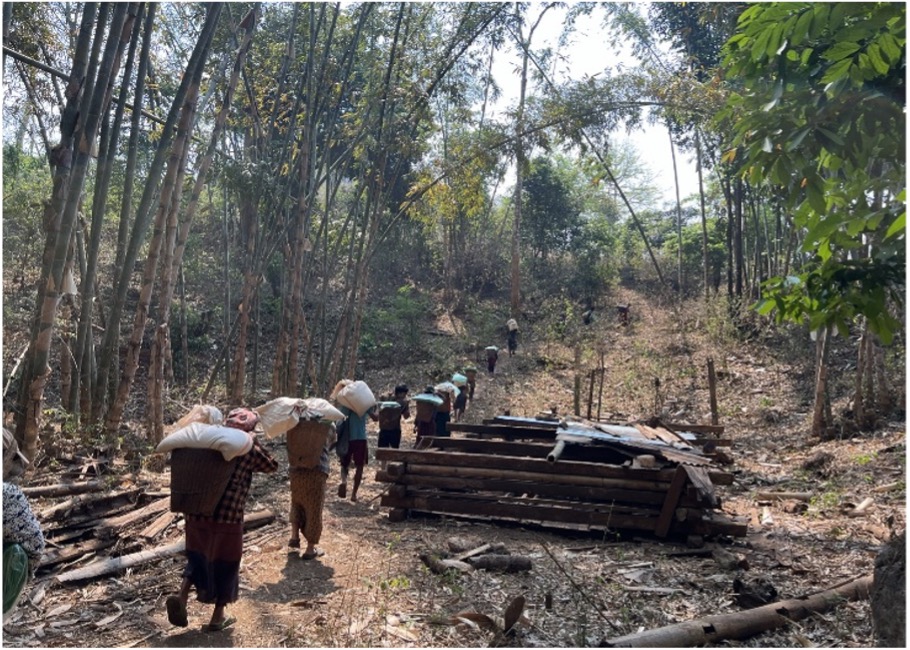
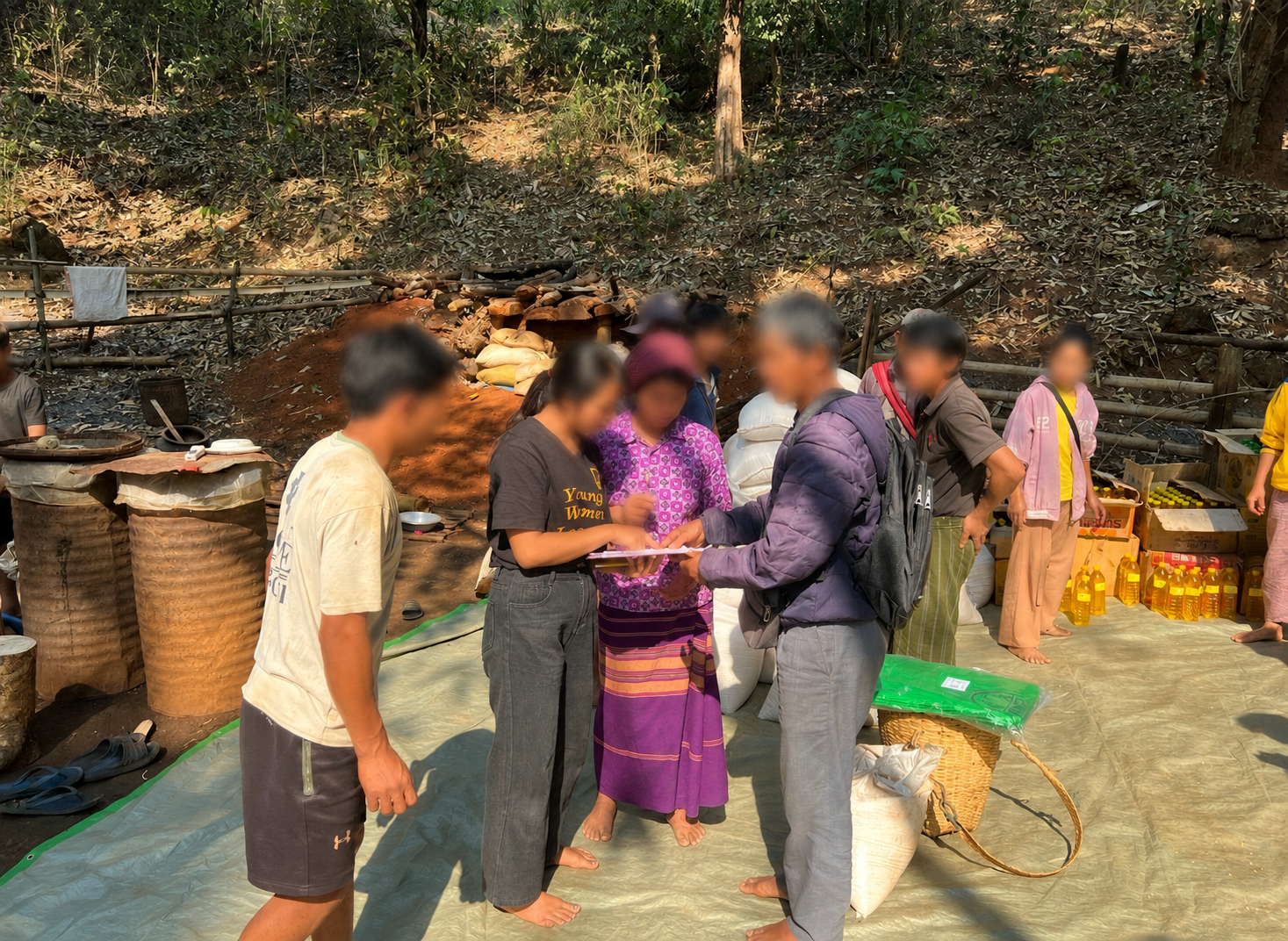
Similarly, in the conflict-affected context of Demoso Township, Kayah (Karenni) State, Myanmar near active conflict areas, Mobye, Pekon Township, ongoing instability has led to increased displacement according to frontline members’ observation and report. In August 2025, intensified conflict and military movement forced many civilians fled to Demoso with urgent protection and food needs. Frontline responders reported that frequently displaced civilians face limited livelihood opportunities, reduced access to protection services, and inadequate coping mechanisms.

These factors have increased stress among caregivers, weakened family relationship, and contributed to negative coping mechanisms among youth including excessive gaming, substance use, and early marriage. They have also led to emotional distress among children due to disrupted access to education, particularly severe impacts on the most vulnerable groups. Strengthening family resilience was therefore essential to mitigate the psychosocial impacts of displacement and sustainrecovery in conflict-affected setting.

About Family-Related Resilience Curriculum

Family-related resilience curriculum was designed by integrating mental health and psychosocial support (MHPSS layer 2), protection, inclusion, and gender-transformative approaches to address the diverse and complex psychosocial needs of conflict-affected families through inclusive and resilience-focused strategies. The intervention emphasized strengthening internal family support system by improving couple relationships, encouraging shared responsibilities, and fostering collective decision-making.

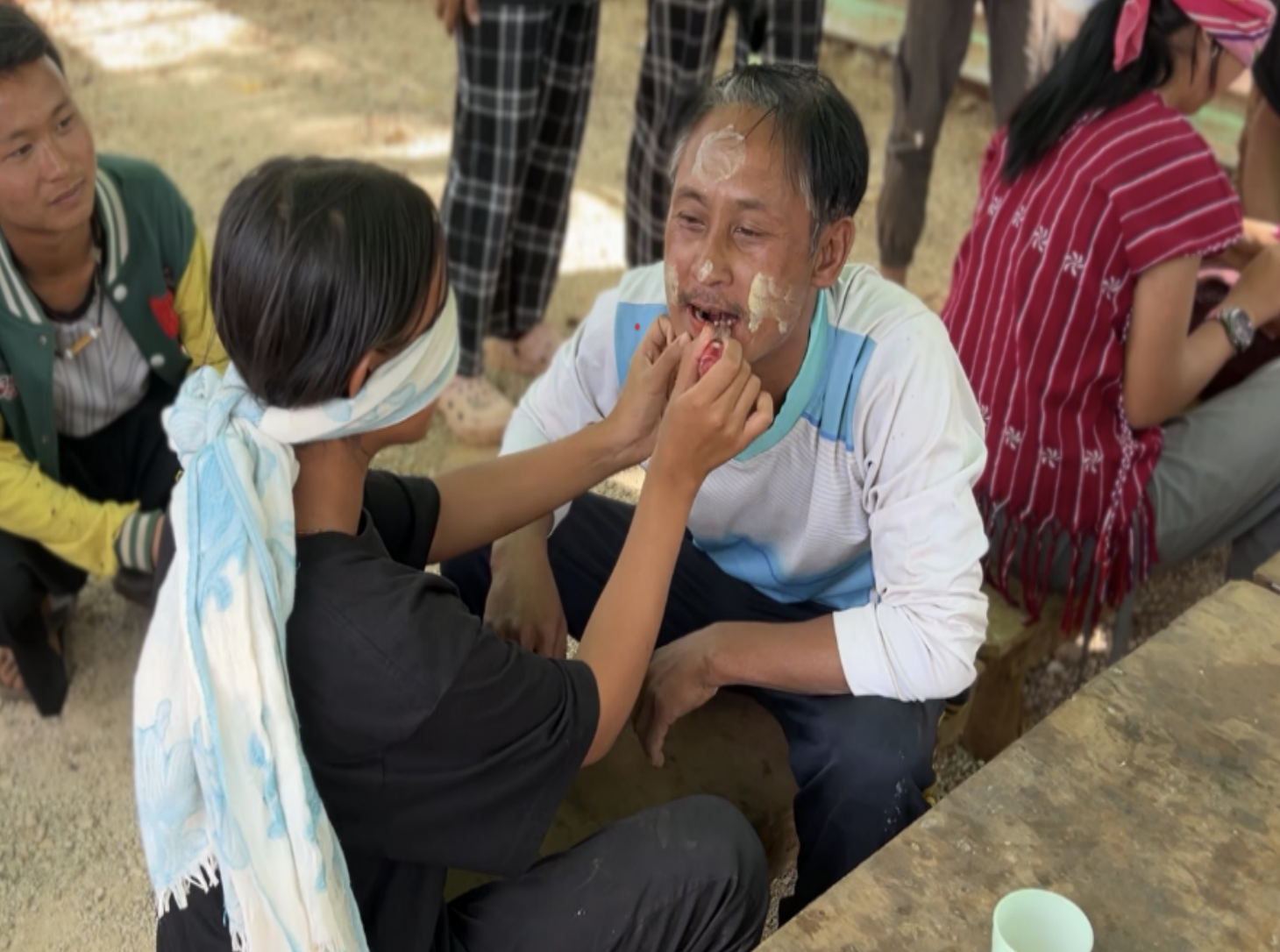
The program aimed to strengthen emotional well-being, promote healthy coping strategies, and improve family cohesion among families facing significant stress and instability. It worked with parents, couples, and caregivers, recognizing the importance of engaging both women and men in addressing harmful social and gender norms that contribute to domestic violence. Through structured multiple sessions, it encouraged participants to express their feelings, reflect on their experiences, and practice positive coping while equipping couples with skills for open communication, peaceful conflict resolution, and sharing positive practices within their communities.

Read More